Around half of women experience pelvic-floor-related problems after giving birth. Symptoms often appear several months postpartum, during the first year when attention is focused on caring for the baby.
Women's health and recovery
Pelvic-floor coach and specialist in women's sensual wellbeing.
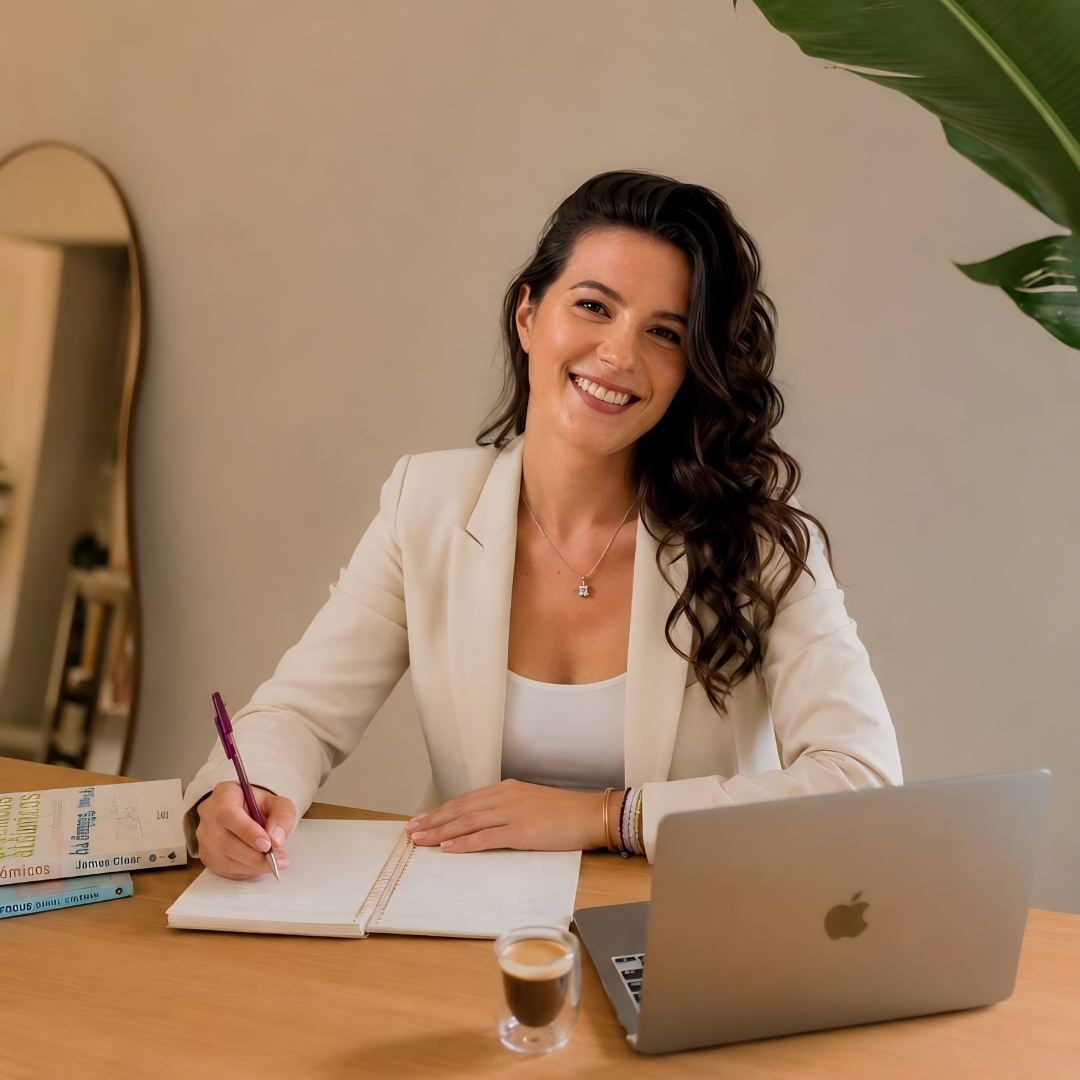
Evidence-informed training for women's health, birth preparation and postpartum recovery, and the development of orgasmic potential.
Personalised, safe and effective pelvic-floor work focused on meaningful results.
A personal approach and a gentle methodEVIDENCE-INFORMED, SAFE AND EFFECTIVE
your goals
Welcome to a space dedicated to women's health
If you are here, you are an informed, self-aware woman choosing to care for herself.
Let us begin by understanding what you need. This is a safe and supportive space for women.
What would you like to work on?
- Increase orgasm intensity and restore sensation
- Experience multiple or vaginal orgasms
- Maintain pelvic muscle tone for years to come
- Reduce discomfort during sex and restore pleasure
- Reduce urine leakage when sneezing or jumping
- Reduce the feeling of vaginal heaviness
- Manage frequent urinary urgency
- Restore abdominal tone after changes in the body
- Prepare the pelvic floor for an easier, less painful birth
- Reduce the risk of tearing during birth
- Restore pelvic-floor function and tone after birth
- Address pelvic organ prolapse symptoms after birth
research insights
Why it is worth starting now
For around a year after birth, many women experience lower libido than before pregnancy. Hormonal changes can contribute, alongside changes in pelvic-floor function.

Urinary incontinence affects many women, yet relatively few seek medical advice. Shame can lead women to manage symptoms silently and avoid sport, play or intimacy.

With appropriate regular training, initial changes may be noticeable within 4–6 weeks.
The good news is that many of these issues can be prevented or improved with the right approach to pelvic-floor training.
Why one-size-fits-all
exercises do not work
Pelvic-floor muscles may be:
Leakage when sneezing, laughing or jumping. Heaviness in the lower abdomen. Weak or infrequent orgasms.

Leakage when sneezing, laughing or jumping. Heaviness in the lower abdomen. Weak or infrequent orgasms.
When the muscles are weak, generic exercises without an assessment often produce no result or only temporary improvement.
- reduced control
- more discomfort during physical activity
- sensation returns slowly
Painful intercourse. Chronic pelvic pain. Constipation. A feeling of being unable to relax.
Reduced sensation. A feeling of emptiness. No clear mind-muscle connection.
When the muscles are weak, generic exercises without an assessment often produce no result or only temporary improvement.
- reduced control
- more discomfort during physical activity
- sensation returns slowly
Each situation requires a different approach.
Training without an assessment can intensify existing symptoms and create new problems.
That is why I always begin with an assessment and only then select the right exercises.
about me
Katya Breeze

- Certified Vagiton system instructor
- Certified IAGC coach
- Psychologist
- Yoga teacher
- NLP and bodywork practitioner
For more than 5 yearsI have supported women in improving their health, body awareness and sensual connection.
I continually see how women change through this work: they feel brighter, more confident, attractive and playful.
Training can influence circulation and physical function, but also how a woman feels within herself. Reconnecting with the body can restore confidence and a sense of desirability.
my method
Evidence-informed foundation
A safe, evidence-informed approach based on the Vagiton pelvic-floor training system.
Women report meaningful improvements after two months of regular practice, including less discomfort, improved bladder control and increased sensation.
I explain
- the purpose of every exercise
- what it affects
- when it should not be performed
so that you can continue practising safely and effectively on your own
The nervous system and emotional wellbeing
As a practising psychologist and coach, I look beyond symptoms to understand contributing factors.
The pelvic floor is highly responsive to stress, fear, control and suppressed emotions.
I work not only with the muscles but also with factors that contribute to tension.
Breathing, yoga and relaxation
Sessions include breathing and abdominal exercises that help the body integrate the practice and progress more effectively.
A personal pathway
Every woman has a different body, starting point and lifestyle.
Some need strengthening, some need relaxation, and others need to restore sensation.
The programme is built around your body, not the other way around.
results
Changes my clients report
- sensation returns
- pain and discomfort decrease
- orgasms become more intense
- greater control and confidence
- the body feels more supported
- more energy
- increased sexual desire
- greater enjoyment in intimate life
- birth may feel better prepared and more manageable
I decided to test my progress on a trampoline. At the beginning of spring, after two jumps I would rush to the bathroom. Now I can jump as much as I want! I am so glad I found your video and joined your sessions.
My eight-week journey is complete. The result:
I can now feel and control my abdominal and pelvic-floor muscles. I can jump and sneeze without worrying about the consequences. I use the techniques at the gym, my training is more effective, and my abdomen has become noticeably flatter after giving birth. I want to continue!
Thank you so much!
I love how I feel after training: my whole body feels more alive and toned. My husband noticed that I enjoy sex more and asked whether I plan to continue.
My greatest achievement is that I can feel my body again.
I used to visit the bathroom repeatedly before leaving home, had lower-back pain, felt irritable and had no energy. Now I go to the gym, nothing hurts, and my orgasms and energy have returned.
It was difficult at first because my body felt stiff and disconnected. With your patient explanations, I learned techniques I never imagined my body could do. Thank you, Katya!
importantWhy simply doing Kegels
Why simply doing Kegels
usually DOES NOT work
Kegel exercises focus only on muscle contraction.
The effects of unsuitable exercises may not appear immediately. Early improvements in circulation can mask increasing muscle overactivity, which may later contribute to pelvic pain, exertion-related leakage, painful sex, constipation, heaviness, difficulty urinating or pelvic organ prolapse.
- pain and discomfort
- reduced sensation
- difficulty relaxing
- increased discomfort during sex
⚪ They do not account for:
- muscle overactivity
- incorrect activation
- inability to relax
- coordination with breathing and the core
⚠ Without an assessment, these exercises may:
- increase tension
- increase pain
- worsen symptoms
The sooner you begin, the better
Research suggests that pelvic-floor dysfunction or pelvic organ prolapse affects around one in three women over 30 and nearly half of women over 50.
Even without obvious symptoms, it is worth caring for your pelvic health early. A functional pelvic floor supports sexual wellbeing, birth preparation, confidence and comfort in your body.
my programmes
Individual coaching
8 weeks. Personal support.
Programme price — €799
What you can work towards:
- feeling and understanding your body
- controlling your pelvic-floor muscles
- restoring and increasing sensation
- reducing discomfort
- restoring and increasing pleasure
- feeling more confident
We begin with an assessment of your muscles, tension patterns and individual needs. I then build a programme designed specifically for your body.
Format:
- 8 online sessions of 60 minutes
- personalised programme
- home practice to consolidate progress
- support and motivation between sessions
This is for you if:
- you value a personal approach
- you want focused, measurable progress
- you are ready for mindful bodywork
- long-term safety and health matter to you
consultation
Consultation and assessment
What you will receive:
We will review your current situation, identify important contributing factors and determine the next steps for your goals.
Format:
- a 30-minute online video session
- assessment
- exercise guidance suited to your goals and current condition
- recommendations for your next steps
group course
Group course “Female Power» (next cohort: May 2026)
In-depth self-assessment and practice system.
Course price — approximately to be announced
Who it is for:
For women who want to establish a regular and safe practice in a supportive community, with a structured path from the foundations to advanced practice.
Format:
Learn self-assessment
- 20 lessons adapted to your current condition, with an emphasis on safe, evidence-informed practice
- A step-by-step programme from foundations to advanced practice
- 60 days of access
- Personal feedback from me
- Support and motivation in the participant community
places are limited
FAQ
Frequently asked questions
Is this suitable during pregnancy?
Yes, if there are no contraindications and your doctor agrees. The programme is adapted to your stage of pregnancy and how you feel.
When can I expect results?
Initial changes may be noticeable after 2–3 weeks. More stable progress usually takes 6–8 weeks of regular practice.
Do I need a training device?
A training device is introduced after approximately 3–4 weeks.
How is this different from Kegels?
Kegels focus on contraction, often without assessment or feedback. My approach considers muscle condition, breathing and the nervous system to make the work safer and more effective.
invest in a healthier, more pleasurable future
Start with an assessment and receive a safe plan suited to your body and current condition.